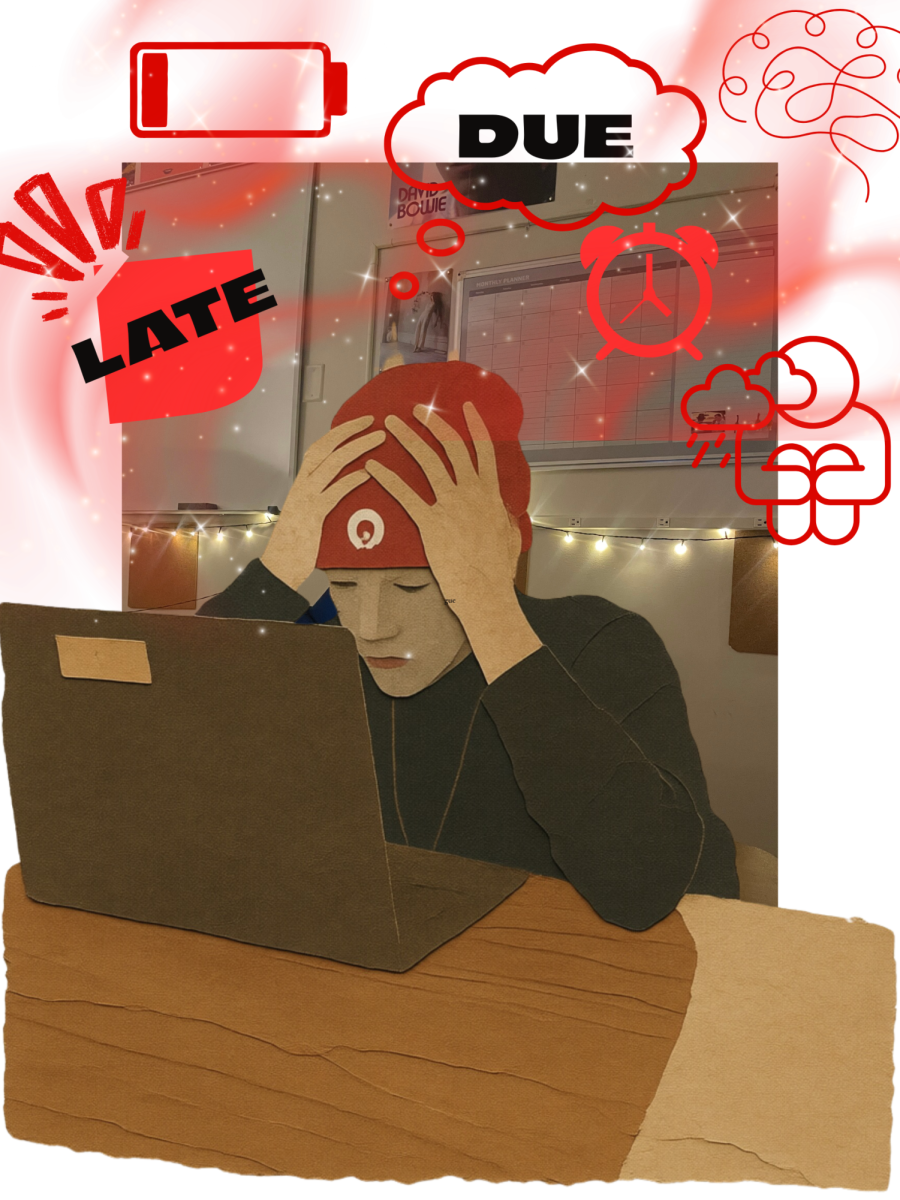
People think that mental health is not important, or it’s something that can be taken care of later on in life,but that’s not the case. Stress and Anxiety highly impact teenagers, especially in schools. “Depression impacts a teen at the critical stage in their life, when they’re developing social skills,” TonyYang, MD, PhD, says.“If they’re not able to do that, it places them at a huge disadvantage. They’re at much higher risk for substance-use disorders, for suicide, for failing academically, and later on in life, for losing jobs and getting divorced.” This comes to show how depression, anxiety, and stress all correlate to future decisions for teenagers right now.
Understanding stress comes with understanding the prefrontal cortex. This is the brain’s CEO; it is responsible for impulse control and logic. This area for adolescents is still under construction and won’t fully develop until age 26. The amygdala is the emotional center of the brain; it’s a tiny, almond-shaped cluster of nuclei located deep within the temporal lobe. Here is an example of how the amygdala can work on a teenage brain. Sarah just failed a quiz in her math class and quickly begins to have anxiety. What happened is that the amygdala processed the scenario as a genuine threat to survive; it can trigger the “fight or flight” response throughout her day.
According to a report by the Centers for Disease Control (CDC) from 2025, stress is a common or normal factor affecting any human at any age. But it is more than that; stress is a response to an external threat, and it usually ends once the problem is addressed or dealt with. On the other hand, anxiety is a persistent feeling of dread or ‘ what ifs” that can remain even once the external pressure is gone. During an interview, the following was stated by Abygaile Pratt, a freshman.“Maybe it’s like they don’t know what is really going on with them because they can’t tell what stress or anxiety is.” This means that teens don’t know how to react when they are given a situation. Once they understand the concepts and differences between stress and anxiety, teens can possibly be able to control these stressful scenarios.
“If you let the anxiety and stress take over, your life will be dark and scary, but once you let go and realize that you can control this, it is when life gets easier, “ said Kgaladi Thato, a senior. Teenagers go on about their days, not realizing they are being attacked by anxiety or stress, as mentioned by Kgaladi.
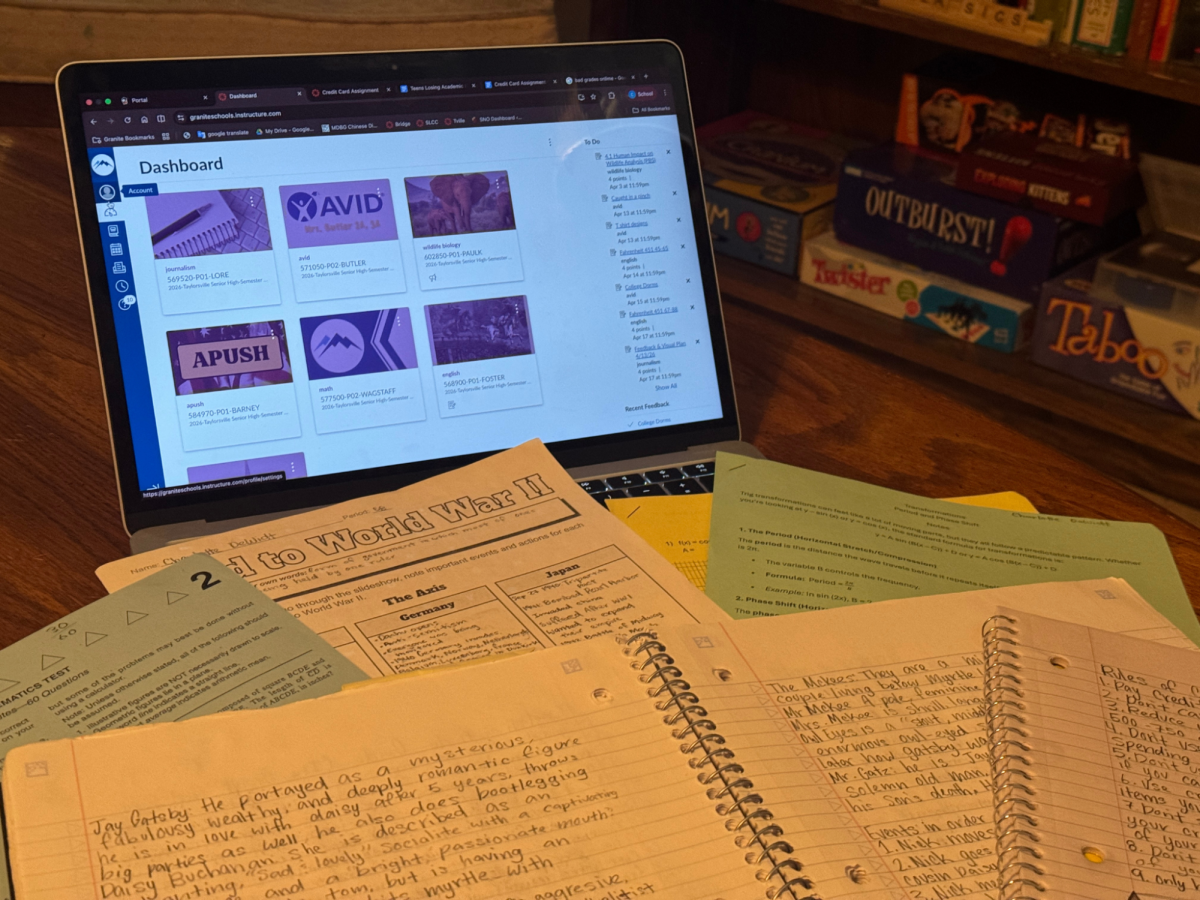
During an interview, Pratt, a freshman, stated, I notice stress affecting my day when I don’t have something done, and still have to go, and so on. So mainly if someone is talking to me, I tend not to listen to what they’re saying, because I’m too focused on what is making me stressed.” This is a great example of how teenagers go on day by day. They find that doing an assignment is stressful, so their amygdala blocks. Other scenarios to protect it, so they can’t focus on other things.
At the end of the day, teenagers are not necessarily under the darkness of anxiety if they are going on about their day, and the next thing they know is that the stress they carried that day is gone the next. This is because teens’ brains are stuck in survival mode. Once that quiz starts, the amygdala takes over completely; everything else becomes nonexistent. Not because teenagers want, or intend to do this, but because their bodies are trying to protect them from any threats, which teenagers usually don’t know how to fully handle until their mid 20’s. Adults don’t need to blame teens for this; instead, they should start looking more into the chemistry and the fundamentals of the classroom and the education system.