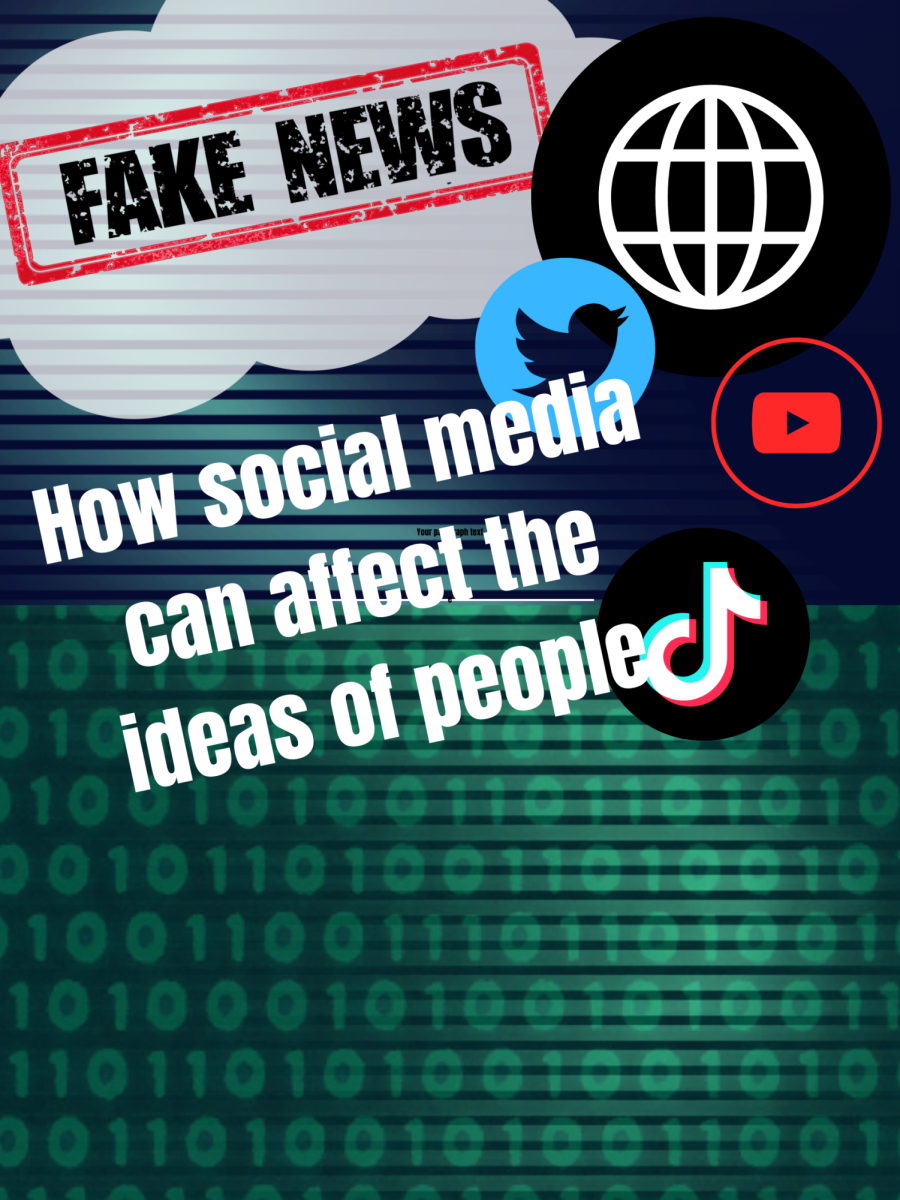
In the modern age of technology, where information is available on anything, we have to take some time to think and analyze information we see and consume as it might be fake. Some examples include but are not limited to deepfakes, hoaxes, and fake news posts with the rise of generative AI making it easier to do by the average person.
When it comes to people spreading information on topics they like or dislike, they might lie about it or make it seem like being a part of something is bad and example being what game you like or what Tv show is your favourite. Many might find a topic and be told of what had transpired, but have you stopped to wonder why you suddenly started getting topics on stuff you hadn’t even thought about? Whether it’s political or about fictional topics, people will either accidentally spread misinformation or purposely do it, but how do we know when?
Algorithms on social media apps like twitter or tiktok give you information on topics or things based on your behavior on the app. Meaning that if you spent too much time on a post or if you had liked some posts the app would give you things that are either similar to the post or loosely connected to it.
Some of us, like Tim Gray(real name withheld) said “it was weird to start seeing all the stuff about the Epstein files even though I hadn’t cared about them beforehand.” The Epstein files are photos, messages, and videos from people who had visited Little Saint James(Epstein island) and had performed illegal acts with children.
Afterward Gray said that he had started to not like certain celebrities since they had appeared in the files due to some of their actions, with the release of some of the Epstein files many people have been talking about them online and some have used gen AI to create some videos related to the Jeffery Epstein. As well as people sort of making a joke about Epstein and what’s been done by the rest of those in the files.
This is one of the ways social media might change opinions and or downplay serious matters, as after Gray saw those types of posts, it changed his opinion on people and his views on topics related or unrelated to the Epstein files..
We put too much trust in the media we consume on a daily basis, and we sometimes use it as a basis for judgment on stuff that a week ago you wouldn’t have thought of or you would’ve stopped caring about afterwards. We sometimes trust a source if it aligns with your own idea or since its being spread by someone you see as reliable with more people being online and engaging in topics online.
“The internet just moves quickly, and it’s hard to stay on a topic for long,” said Benson Benji (real name withheld). “We need to find a solution to this as it becomes worse and worse through attention spans.”
Which is why we need to help people understand how to identify the right from the wrong information on social media as its able to let us communicate with other and allows us to give our ideas and spread our own interests. “Of course, social media isn’t always bad, but to see the right, we must talk about the wrong,” Said Jason Nigel(real name withheld).