In an era where “student‑athlete” has become a full‑time identity, the challenge of balancing school and sports is becoming more demanding than ever. Practices are starting earlier in the morning and running later into the night, leaving students with less time to rest and even less time to complete their growing homework loads. Expectations from coaches and teachers continue to rise, and many teens are finding themselves stretched thin as they try to meet the standards of both their academic and athletic commitments. What used to be a manageable routine now requires careful planning, strong time‑management skills, and a willingness to make sacrifices in order to keep up. For student‑athletes across the country, the pressure is real, the workload is heavy, and the balance isn’t always easy to maintain. Here’s a closer look at what life as a student‑athlete really looks like.
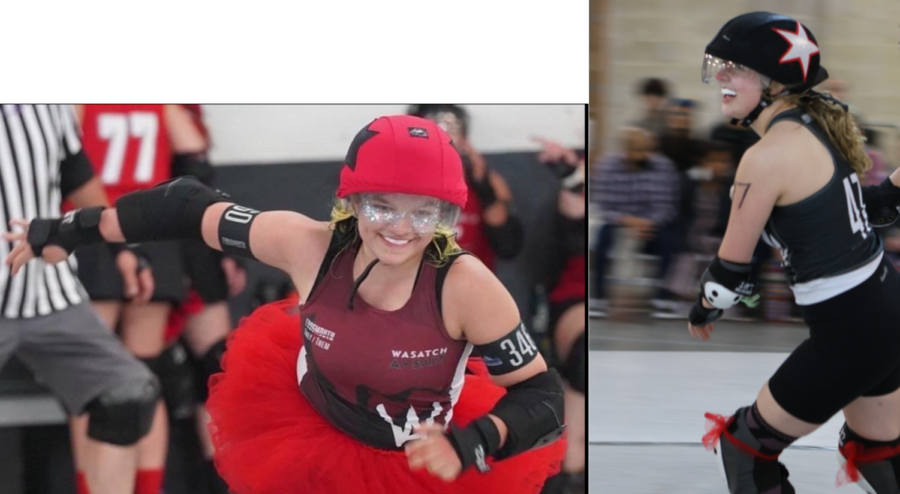
Senior student at Taylorsville High, Chloe, says, “Balancing my sport is very hard, practices are so long, and the balance can make everything feel so intense.” Every sport comes with a demanding schedule filled with performances, practices, conditioning, and recovery time, all of which take up large portions of a student‑athlete’s day. Trying to manage these commitments while also keeping up with schoolwork is a very challenging task, and many student‑athletes find themselves overwhelmed by how quickly everything can pile up. The combination of academic expectations and athletic responsibilities creates a workload that requires constant focus and effort, making the overall experience far more intense than most people realize.
“After long days of competition, while many of my teammates are out celebrating their wins, I am in my room catching up with the lessons I missed that day in class.” Team USA competitors juggle athletic-academic pursuits, Logan Goodman ’24. Being a student-athlete involves making sacrifices. Many athletes find themselves missing out on social events, trips, and even new opportunities. Their sacrifices really show how passionate they are for their sports.
Sports are becoming increasingly competitive, which raises an important question: how do student-athletes manage all this work? According to Helping Your Student Athlete Find Balance from The Athlete Factory, the key is to “Prioritize and plan: Set clear priorities. Use tools like planners or digital calendars to schedule practices, games, study sessions, and downtime.” This kind of structure helps student‑athletes stay organized and avoid falling behind when their schedules get busy. Many rely on planning strategies like these to keep track of everything they need to do, maintain their grades, and still perform well in their sport. It shows how much effort goes into staying balanced and how essential good time‑management skills are for today’s student‑athletes.
Another student at Taylorsville High, junior Baylie stated, “I approach school as an athlete by always being on task with my work so I can keep doing what I do.” For her, staying organized and keeping up with assignments isn’t just about grades—it’s what allows her to continue participating in the sport she loves. Many student‑athletes share this mindset, knowing that falling behind academically can affect their eligibility and overall performance. Maintaining focus in class, completing work on time, and managing responsibilities efficiently become essential parts of their routine. This level of discipline demonstrates the significant effort required to balance both roles and the commitment of student-athletes to maintaining their academic and athletic goals.
At the end of the day, being a student athlete means carrying far more than a uniform and a backpack-it means navigating constant pressure, long practices, late-night homework sessions, and the countless sacrifices made. They push through early mornings when the sun isn’t even up, and they keep going long after exhaustion sets in. The mental and physical demands are high, yet these student athletes wouldn’t trade the experience for the world. Their dedication becomes who they are, shaping their discipline, resilience, and sense of purpose. As Taylorsville High senior Sophie put it, “If you truly love it, you can make it work.”